


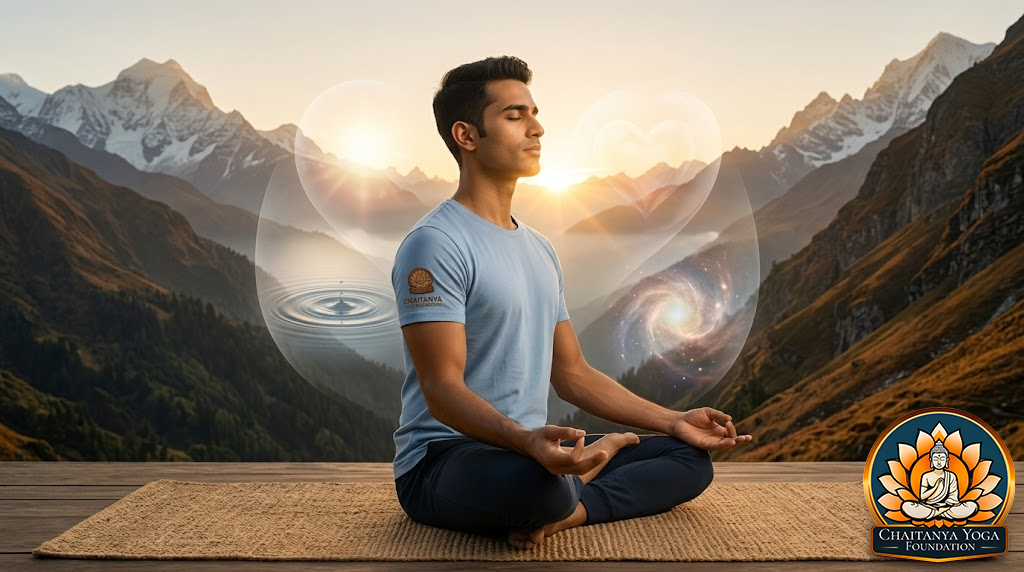
Why Emotional Wisdom is Important
Emotional Wisdom: In today’s fast-paced world, emotions often dictate our decisions, relationships, and overall well-being. Stress, anger, fear, anxiety, attachment, and frustration have become common experiences. Yoga offers an ancient way of working with emotions rather than repressing or reacting to them.
Yogic philosophy does not see emotions as enemies to be conquered but as signals that guide us to know our inner world. “Through awareness, discipline, and self-reflection, yoga teaches us how to change emotional reactions into emotional wisdom.
What Are Emotions According to Yoga?
Yoga views emotions as movements of the mind (Chitta Vrittis). These changes in the mind are made by our experiences, desires, attachments, fears, and perceptions.
The ancient yogic texts say that when the mind is disturbed, emotions become erratic. A calm and balanced mind makes for clear and constructive emotions.
Rather than asking:
“I want to stop feeling.
Yoga asks:
How do I get what I feel?
This shift brings emotional maturity and self-knowledge.
Why Emotional Development Matters
Emotional development is not about becoming emotionless. It is about:
- Understanding your feelings
- Responding rather than reacting
- Building healthier relationships
- Managing stress effectively
- Improving decision-making
- Developing compassion and empathy
A well-developed emotional state leads to greater peace, resilience, and confidence in daily life.
The Five Yogic Obstacles Behind Emotional Disturbance
Yoga philosophy identifies five mental obstacles (Panch Kleshas) that often trigger emotional suffering:
1. Avidya (Ignorance)
Not seeing reality clearly can create confusion, fear, and insecurity.
2. Asmita (Ego)
Over-identification with our thoughts and opinions often causes anger, pride, and emotional conflict.
3. Raga (Attachment)
Excessive attachment creates dependency and emotional instability when things change.
4. Dvesha (Aversion)
Strong dislike or resistance can lead to resentment, frustration, and stress.
5. Abhinivesha (Fear)
Fear of loss, failure, or uncertainty often drives anxiety and emotional imbalance.
Understanding these patterns helps us recognize the root causes of our emotions.
How Yoga Helps Develop Healthy Emotions
1. Builds Self-Awareness
Yoga encourages observing thoughts and emotions without judgment.
As awareness grows, we become less controlled by emotional impulses and more capable of making conscious choices.
2. Reduces Stress Response
Breathing practices (Pranayama) calm the nervous system and reduce emotional reactivity.
Simple practices can help create emotional stability. such as:
- Nadi Shodhana
- Bhramari
- Deep Diaphragmatic Breathing
3. Enhances Emotional Intelligence
Regular yoga practice improves the ability to:
- Recognize emotions
- Understand emotional triggers
- Communicate feelings effectively
- Show empathy toward others
4. Cultivates Compassion
Meditation and mindfulness practices help develop kindness toward ourselves and others.
This reduces judgment and promotes healthier relationships.
5. Creates Inner Balance
Yoga teaches the middle path—neither suppressing emotions nor becoming overwhelmed by them.
Balanced emotions lead to balanced actions.
Simple Daily Yogic Practices for Emotional Growth
Morning Reflection
Spend 5 minutes observing your emotional state before starting the day.
Conscious Breathing
Practice slow breathing for 5–10 minutes whenever you feel stressed or overwhelmed.
Journaling
Write down recurring emotions and identify their triggers.
Even 10 minutes of daily meditation can significantly improve emotional awareness.
Gratitude Practice
Reflect on three positive things each day to cultivate a more balanced emotional outlook.
The Yogic Goal: Emotional Freedom
Yoga does not promise a life without emotions. Instead, it teaches us to experience emotions without becoming trapped by them.
Emotions are tools for growth, not sources of suffering, when we respond with awareness instead of impulsive reactions.
Through consistent practice, yoga helps us develop emotional intelligence, resilience, compassion, and inner peace, qualities that are conducive to success both personally and professionally.
Final Thoughts
Developing emotions through yoga is a journey of self-discovery. By understanding the mind, observing emotional patterns, and practicing awareness, we can transform our emotional lives.
The true purpose of yoga is not only physical flexibility but also emotional and spiritual growth. When we learn to understand our emotions through a yogic lens, we move closer to lasting peace, clarity, and fulfillment.
Quick Recap for understanding
What is emotional development in yoga?
Emotional development in yoga refers to increasing self-awareness, emotional intelligence, and the ability to manage emotions consciously through practices such as meditation, pranayama, and mindfulness.
How does yoga help control emotions?
Yoga helps regulate the nervous system, reduce stress, improve self-awareness, and create a balanced mental state, making it easier to respond calmly to emotional situations.
Can yoga improve emotional intelligence?
Yes. Regular yoga practice enhances self-awareness, empathy, emotional regulation, and communication skills, all of which contribute to emotional intelligence.
Which yoga practices are best for emotional balance?
Pranayama, meditation, mindfulness practices, Yoga Nidra, and gentle asana sequences are highly effective for emotional balance.
What are the Panch Kleshas in yoga?
The Panch Kleshas are Avidya (ignorance), Asmita (ego), Raga (attachment), Dvesha (aversion), and Abhinivesha (fear), which are considered root causes of emotional suffering.
Leave a Reply